
Link Prospect Lists: How to Organise Outreach Targets Like an Agency
Serious link building runs on lists — vetted, segmented, deduplicated lists of sites worth pitching. This guide shows how to build them from search results and SEO tools, enrich them with AI, keep them clean with exclusions, and use them so every campaign starts ahead instead of from zero.
Ask an experienced link builder their real asset and they will not say a tool — it is their lists. Vetted sites, sorted by niche, quality and past results, mean a new campaign starts with pitching instead of prospecting. This guide shows what a good list contains, where entries come from, and how to keep it clean.
What a prospect list is (and what belongs on it)
A prospect list is a shortlist of websites you might pitch, each row carrying the facts a decision needs: domain, topic fit, key metrics (authority, traffic, rankings), contact route, status (not contacted / pitched / placed / rejected) and notes — including the most valuable of all, "never again, and why". Keep several lists by theme or client, not one monster file, so a fintech campaign does not wade through gardening blogs.
Create your first list
Start narrow: one niche, twenty-five sites you would genuinely be proud to appear on. Record metrics when you add each site — dated numbers let you spot decay later — and the exact page where a placement would fit.
Add sites without breaking flow
Capture prospects where you find them: a browser bookmarklet or a simple "add to list" habit while reading SERPs, competitor profiles and industry news. Two minutes adding a site now saves twenty minutes re-finding it in a campaign.
Fill the list from competitor analysis
Competitor backlink profiles are a pre-vetted prospect pool: every domain linking to two or more rivals has proven it publishes and links in your niche. Export referring domains from an SEO tool, subtract sites already linking to you, and add the rest with metrics attached. Focus on domains linking to competitors’ press coverage — news sites that picked up their announcements are the warmest targets for yours.
Scrape the SERPs for fresh prospects
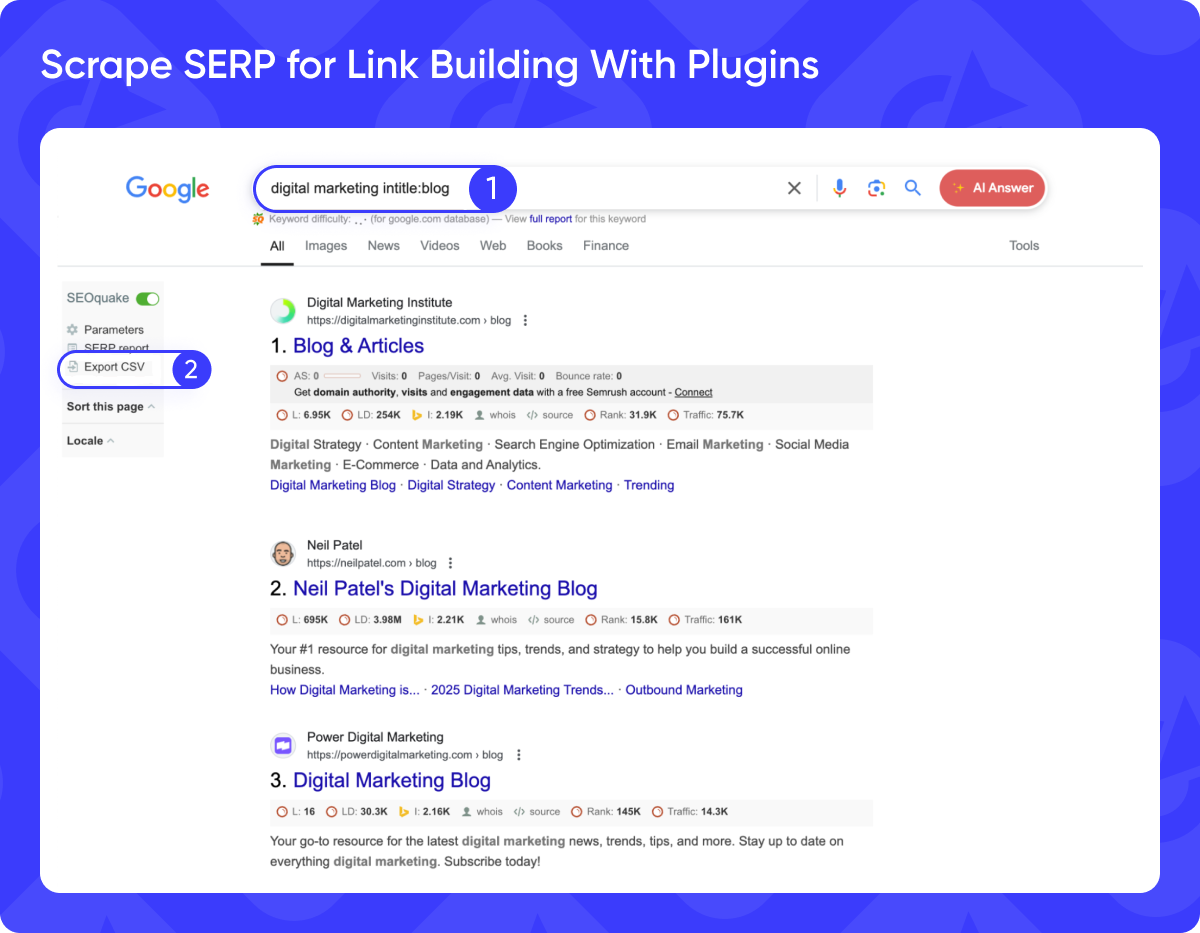
Search results are a prospecting engine. Queries combining your topic with footprints like "write for us", "guest post", "resources" or "submit news" surface pages inviting contributions. Extensions and scrapers can pull result URLs into a spreadsheet by the hundred; dedupe against existing lists, enrich with metrics, and delete everything below your quality floor before a human spends a minute on it.
Use AI to enrich and prioritise
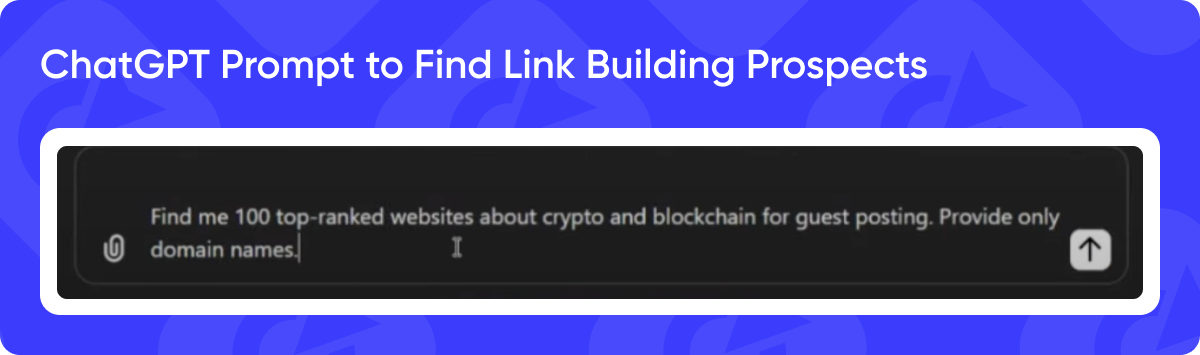
ChatGPT-class tools earn their place in the boring middle of the workflow: categorising domains by topic from titles and snippets, drafting relevance scores, suggesting queries you had not thought of, and summarising what a site covers. Treat output as triage, not truth — a human still verifies metrics and fit for anything that survives. Used that way, AI cuts list-building time without cutting judgement.
Use the list like a filter, not a drawer
The list pays off at campaign time. Pull the segment matching your story, sort by your metric floor, and pitch from the top — every entry already passed vetting. Just as valuable is the exclusion view: sites marked do-not-contact (competitor-owned, burned bridges, chronic non-responders) stay out of future imports automatically. That prevents the classic embarrassment of pitching the same editor twice with the same story.
Segment by campaign, tag by history
A flat list forces you to re-think every site for every story. Segments fix that: tag each prospect with the campaign types it suits (product launch, data study, expert comment, funding news) and the industries it covers, so pulling a target set becomes a filter, not a research project.
History tags matter too. Mark who replied, who placed, who asked for changes, who never wants contact again. Six months of honest tagging turns a spreadsheet into institutional memory — what agencies actually sell, in a column most leave blank.
Prune, refresh and monitor
Lists rot. Domains expire, get sold, change topics, or quietly stop publishing. Build a light rhythm: refresh metrics on active segments quarterly, delete dead entries without sentimentality, and watch favourites so you hear when a great site reopens contributions or launches a new section. A list of 300 live, vetted sites beats a fossil spreadsheet of 10,000 every campaign.
One more entry for every list: the outlets your own coverage already appeared on. A placement report — like the one every PressFudge campaign delivers, with each live link listed — is a ready-made segment of proven, responsive publications. Import it, tag it "placed before", and your next announcement starts with the warmest list in the business.
Frequently asked questions
How big should a link prospect list be?
Big enough to cover your niche, small enough to keep current. Most teams work well with a few hundred vetted entries per niche; beyond that, maintenance eats the time the list was meant to save.
What should I record for each prospect?
Domain, topic, authority and traffic metrics with the date checked, a contact route, preferred content type, status and free-text notes — especially warnings. Future-you needs the warnings most.
How often should lists be refreshed?
Refresh metrics for active segments quarterly and purge dead domains on sight. Before any major campaign, re-verify the shortlist you are about to pitch.
Ready to get your story published?
PressFudge distributes your press release to hundreds of real news outlets — with a publication guarantee and a live-link report for every campaign.
See pricing & publish
The PressFudge team distributes press releases for startups, brands and agencies - and writes about what actually works.